
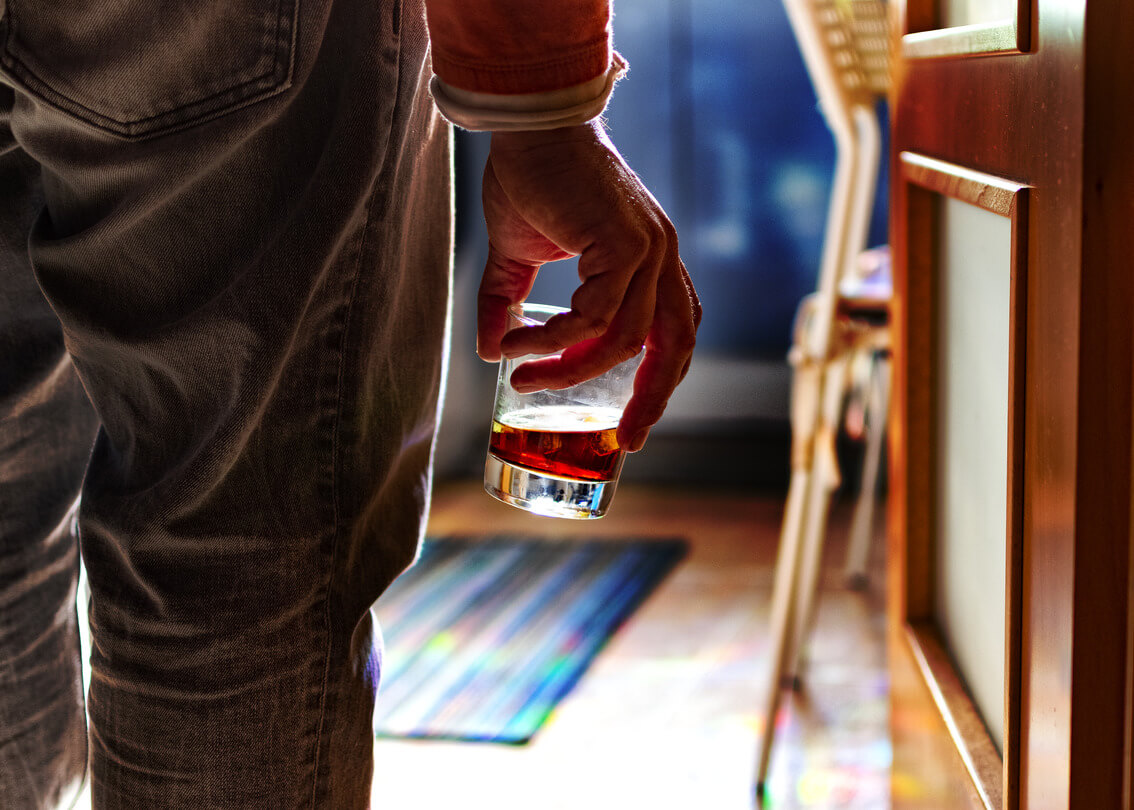

Can Alcohol Kill You?
Alcohol can kill you if you drink it in a toxic form, and it’s important to understand what constitutes a toxic dose. The liver only has a limited capacity to metabolize alcohol, a single drink can cause significant damage if it contains more than about 20 grams (or about two shots) of pure alcohol. That’s why it’s important to know how much pure alcohol is in your favorite drinks.
Distilled spirits like whiskey or vodka are typically 40% alcohol by volume (ABV). Beer ranges from 3% to 8% ABV and wine is typically around 10% ABV—but don’t forget that these percentages are influenced by many factors.
Ways To Die from Alcohol

The effects of alcohol can be felt in a variety of ways. The most common way we experience alcohol is through social drinking and its effects on our bodies. These are usually mild, but they’re still important to understand.
Alcohol also has more severe effects on the body, which can lead to death if left untreated. It can cause liver failure, respiratory failure, heart failure, and brain damage.
We can learn more about the different ways alcohol can be lethal in the following instances as illustrated below.
Alcohol Poisoning
Alcohol poisoning happens due to excessive alcohol consumption. When someone drinks too much (alcohol overdose), they are at risk of alcohol poisoning. Alcohol poisoning can occur with as little as four drinks for women and five drinks for men within 2 hours.
When a person consumes too much alcohol, it can cause their blood alcohol concentration (BAC) level to rise above 0.08%, which is the legal limit for driving in all states besides Montana and Idaho. As people drink more and more alcohol, their BAC levels continue to rise.
The body metabolizes about one drink per hour on average; however, people can be affected differently depending on factors such as:
- gender
- weight
- age
- comorbidities such as diabetes or heart disease.
CDC has mentioned that there are at least 6 daily recorded alcohol poisoning deaths between 2010 to 2012
Drunk Driving
Drunk driving is a serious issue. In the United States alone, over 10,000 people are killed every year because of drunk driving. That’s one person every two hours.
The problem is that alcoholic beverages and excessive drinking affects your central nervous system thereby altering your ability to make good decisions, and it’s easy to think you can drive when you’re drunk when in reality you’re putting yourself and others at risk.
Because alcohol affects your judgment, it’s best to avoid driving at all while under the influence. If you do have to drive, make sure to use public transportation or find a designated driver if possible to avoid car accidents.
Liver Disease
Liver disease is a common result of prolonged alcohol abuse. It can be caused by several factors including:
- heavy drinking
- malnutrition and obesity (due to harmful fats staying present as you regularly drink alcohol)
- and medications that are taken with alcohol.
Heavy drinkers are at risk for developing alcoholic liver disease because they consume more alcohol in a shorter period. This increases the number of toxins in their bodies and the chances they will develop liver damage. When this happens, regular drinkers may impact their normal liver tissue negatively leading to fatty liver disease and liver inflammation.
Apart from the liver, constant alcohol use or binge drinking also causes extensive damage to multiple organ systems including the kidney, pancreas, heart, and nervous system. While heavy drinking can cause death from acute toxicity or withdrawal symptoms, chronic consumption can lead to permanent organ damage due to cellular changes over time (i.e., fibrosis).
For people who are undergoing alcohol detox or addiction treatment, alcohol withdrawal is often one of the problems faced. However, this may be remedied with constant support and guidance from a recovery assistant expert.
Cancer
One of the most severe conditions you can derive from end-stage alcoholism is perhaps cancer.
Alcohol is a carcinogen, which means it causes cancer by interacting with DNA, causing mutations that lead to cell growth.
The effect of alcohol on DNA depends on how much you drink and the type of alcohol you consume. Alcoholic beverages are broken down into acetaldehyde, which is toxic to cells and can cause cancer. Acetaldehyde is also produced when our bodies digest other foods that contain protein.
Cancer can manifest in different ways. Such as breast cancer and chronic disease of the liver (eventually leading to liver cancer). To avoid this from further worsening, alcohol recovery is one way to stop drinking and avoid premature death.
Heart Disease and Failure
Alcoholism is a common cause of heart disease. When you drink alcohol, it causes your blood vessels to narrow, which can raise your blood pressure and lead to heart disease. Alcoholics are more likely to have a high blood pressure than people who don’t drink. Drinking also increases the amount of cholesterol in your blood, which makes it more likely that you’ll develop a fatty buildup in your arteries.
People can lessen their chances of succumbing to sudden cardiac death or heart failure by drinking responsibly and lessening their excessive drinking by undergoing rehabilitation or changing their lifestyle.
Alcoholism
Alcoholism is a disease that can lead to premature death. The deaths related to alcohol consumption is more than all other drugs combined, according to the National Institutes of Health.
Excessive drinking can also lead to damage in the pancreas, which can lead to diabetes; brain damage from lack of oxygen; depression; and many other conditions. By putting yourself at an increased risk of developing end-stage alcoholism due, a person’s health may deteriorate also affecting their mental health and others around them.
Luckily, there are many ways you can counter alcohol addiction through alcohol rehab and the help of recovery homes. Women’s sober living, for one, can provide a safe space for women who wish to get better from substance abuse and chronic alcohol use.
Can Transcend Recovery Assist Those Affected by Alcoholism?
Transcend Recovery specializes in recovery assistance for those people who abuse alcohol or drugs wishing to lead a life of sobriety and independence. We work closely with medical professionals ensuring that we can provide the best support there is in helping people dealing with drug or alcohol withdrawal.
We offer traditional or luxury sober living arrangements to help people cope better in this difficult stage of recovery. Find out more about how we can help you lead a sober life today. Contact us and get in touch with our Recovery Specialist.